LeterFrms
An augmented reality installation exploring the experience of dyslexia, created as an MA thesis at the Royal College of Art.
Client:
Royal College of Art
Category:
Concept & Research, Exhibition & Spatial
My Role:
AR Development, Illustration, Research, Installation Design
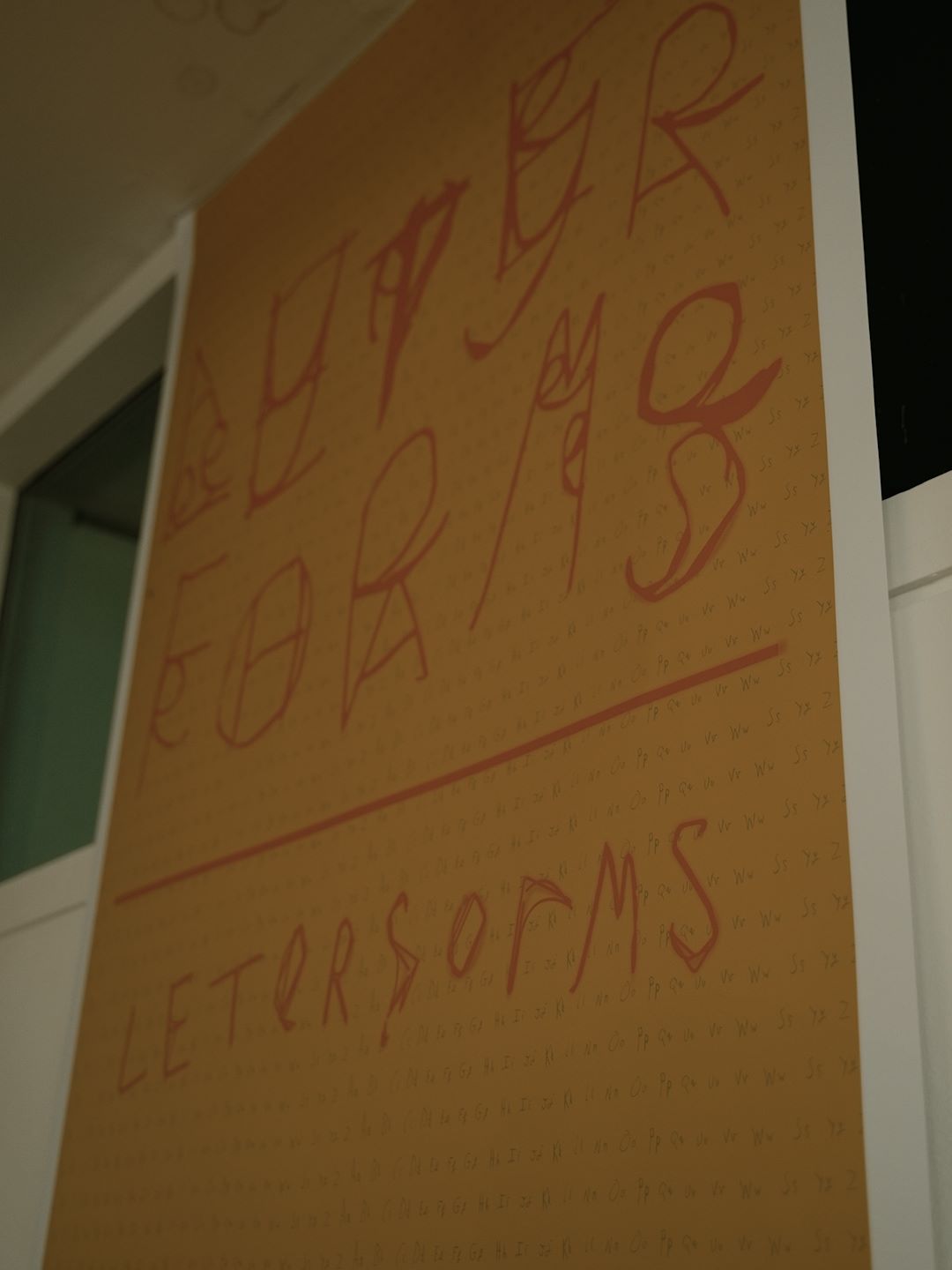
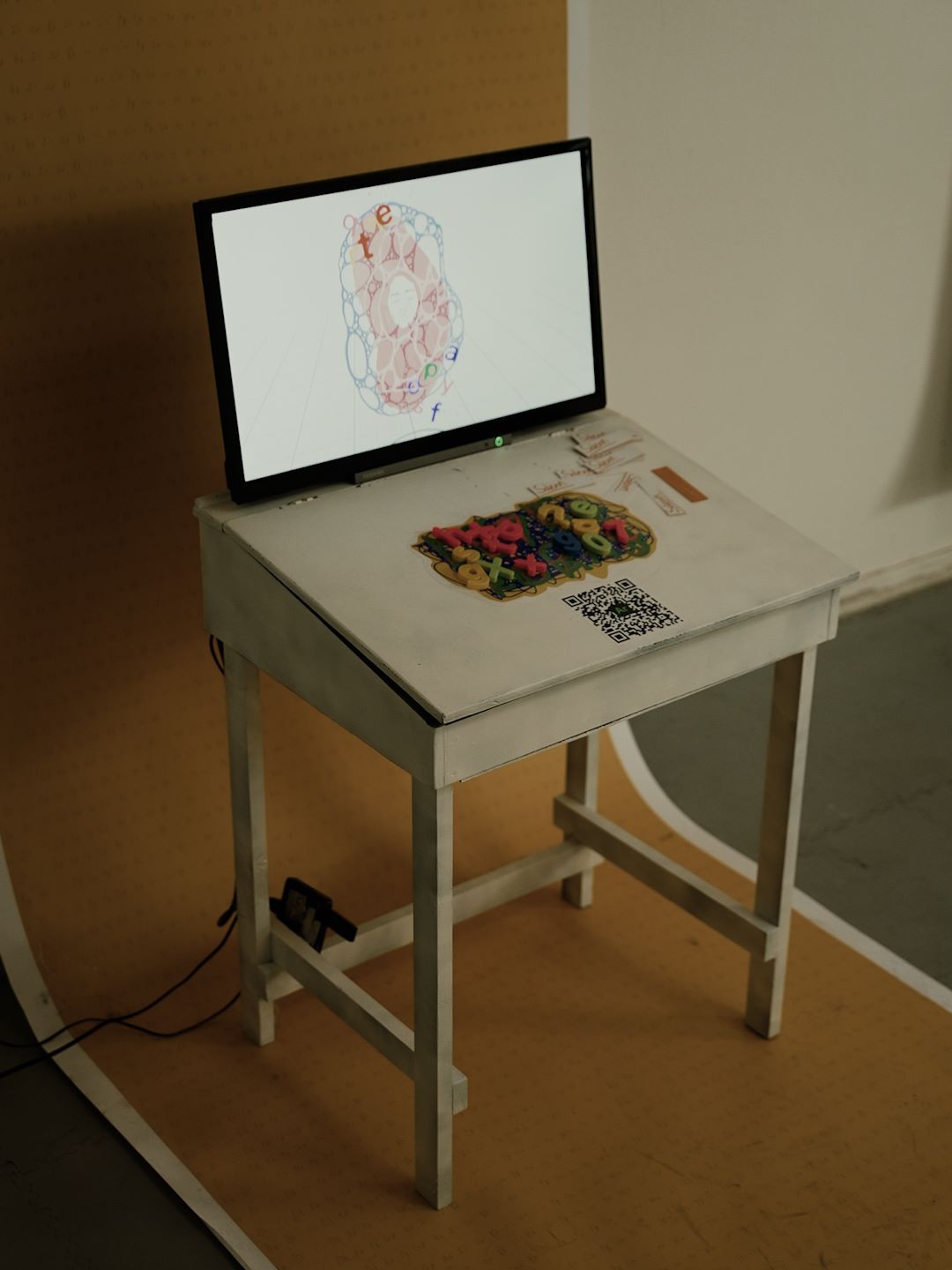
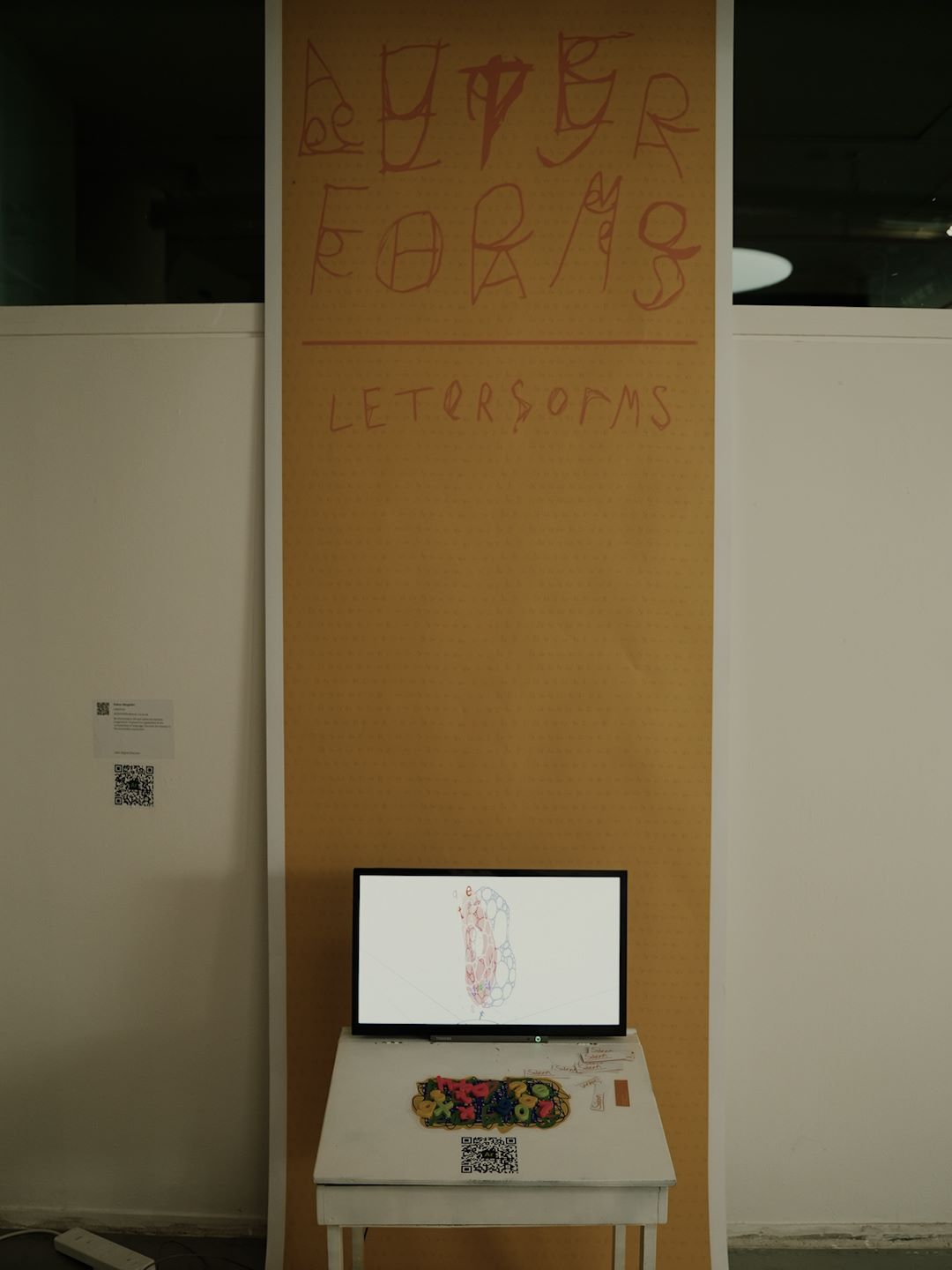
LeterFrms began personally. As someone who is dyslexic, I wanted to create something that didn't frame dyslexia as a deficit but as a different and equally valid way of processing the world. The project uses augmented reality to visualise what reading can feel like for someone with dyslexia, with distorted letterforms shifting and reshaping themselves over printed text, mirroring the fluid and often disorienting experience of trying to parse meaning.
The installation was built using Adobe Aero, still in beta at the time. I was fortunate enough to speak directly with the Adobe Aero team and contribute to the platform testing, not without its technical challenges, but the constraints pushed the work in interesting directions. The result was a floor-to-ceiling canvas of yellow paper, stamped with letters and phonetic spellings, with AR layered over the top to bring the letterforms to life in space.

The Story Behind This Project
The research came first and shaped everything. I ran workshops with SEN students at my own secondary school, sitting in the same classrooms I once struggled in, listening to a new generation describe experiences I recognised immediately. Alongside that I conducted interviews with people of all ages and backgrounds, deliberately steering conversations away from deficit narratives toward the ways dyslexic thinking had given people a different kind of edge..
"Instead of seeing dyslexia as a disability, Solenn's work is a display of the potential beauty that comes with processing the world in a different way."
Exhibition feedback
Exhibited as part of Intertwine at the Royal College of Art, seen by several thousand visitors including school groups. Featured on the RCA website. The feedback from visitors with dyslexia, who recognised their own experience in the work, was the most significant measure of whether it had landed. The best thing design can do is make someone feel less alone.